Join us on May 26, from 2 to 7 pm at Connecticut College in New London for our spring gathering. The theme is “Food Justice and the Labor Movement,” intended to educate food justice advocates about the labor movement and to connect labor organizers to food justice advocates. Agenda: 1:30 – 2:00 pm. Sign-in and registration 2:00Continue reading “Food Justice and the Labor Movement: Spring 2016 Gathering”
Author Archives: Meg Hourigan, CFSA Coordinator
Gathering Grub
We are excited to partner with two local food businesses in New London County to provide free food for attendees of the Spring 2016 Gathering. We hope you’ll love it too – you can take any leftovers home! Snacks Throughout the day, participants will be able to snack on a variety of healthy foods fromContinue reading “Gathering Grub”
New Haven Farms
While Connecticut’s rate of Type 2 diabetes is below the national average, 8% to 9.3% respectively, this statistic doesn’t tell the whole story. As an averaged sum, this data does not reflect the vast disparities across the state. In Connecticut the diabetes rate for non-Hispanic White residents is only 6%, but for Hispanic andContinue reading “New Haven Farms”
New Haven Summer Meals
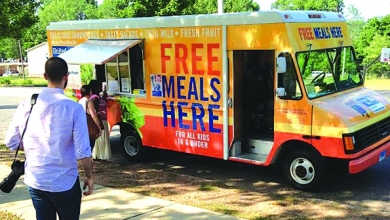
Summer vacation is usually an exciting time for children. They get to lose the stresses and responsibilities of homework, tests and getting up early. Unfortunately, for too many children in Connecticut, this also means losing one of the best sources of consistent nutritional meals. The Summer Meals program run by New Haven Public Schools attemptsContinue reading “New Haven Summer Meals”
Values
Values: O JUSTICE: Inclusiveness, diversity, collaboration, shared responsibility, ability for all to choose healthy food, equity and fairness O HEALTH: Healthy people, healthy planet, healthy economy, healthy community. O KNOWLEDGE: Information, awareness, empowerment, self- advocacy, inspiration, transformation. O INTEGRITY: Accountability, openness, transparency, honesty, facts, space for complexity, sustainability, engagement, adaptability. O COURAGE: Fearless leaning into complexity,Continue reading “Values”
Vision
Vision: We envision a Connecticut where everyone has access to safe, nutritious, culturally appropriate, and affordable food; where the food supply chain supports many vibrant and varied small businesses that provide sustainable livelihoods; where there is broad public awareness and passionate public support of a robust local food system; and where stewardship of soil, water,Continue reading “Vision”
Preamble
Preamble: The Connecticut Food System Alliance (CFSA) believes that the predominating food system has harmful impacts on human health and the environment, and shifts economic benefits away from our local communities. These negative impacts affect all of us, but are disproportionately borne by historically marginalized communities. For these reasons among others, the predominating food system,Continue reading “Preamble”
 Connecticut Food System Alliance